Well report No. RR-8270 · T16N · R25W · SEC 28 · filed November 9, 2026
Petroleum MarketsWell report
Oil falls as Iran strike odds ease amid persistent infrastructure risk
Brent fell 1.7% to $96.67 after Trump called renewed Iran strikes highly unlikely, while Hormuz disruption and reported drone attacks at Khor Mor and Kirishi added supply risks.
Field notes
- Reuters reported Brent down 1.7% to $96.67 a barrel at 08:30 GMT on 9 November.
- WTI fell 1% to $89.87 a barrel in the same market snapshot.
- Brent's prior weekly loss was 16%, its worst since the COVID-19 pandemic began.
- A Sunday drone strike halted Khor Mor production and cut regional power generation by around 2.8 GW.
- Monday's reported Kirishi refinery fire followed a Ukrainian drone strike, according to Governor Alexander Drozdenko.
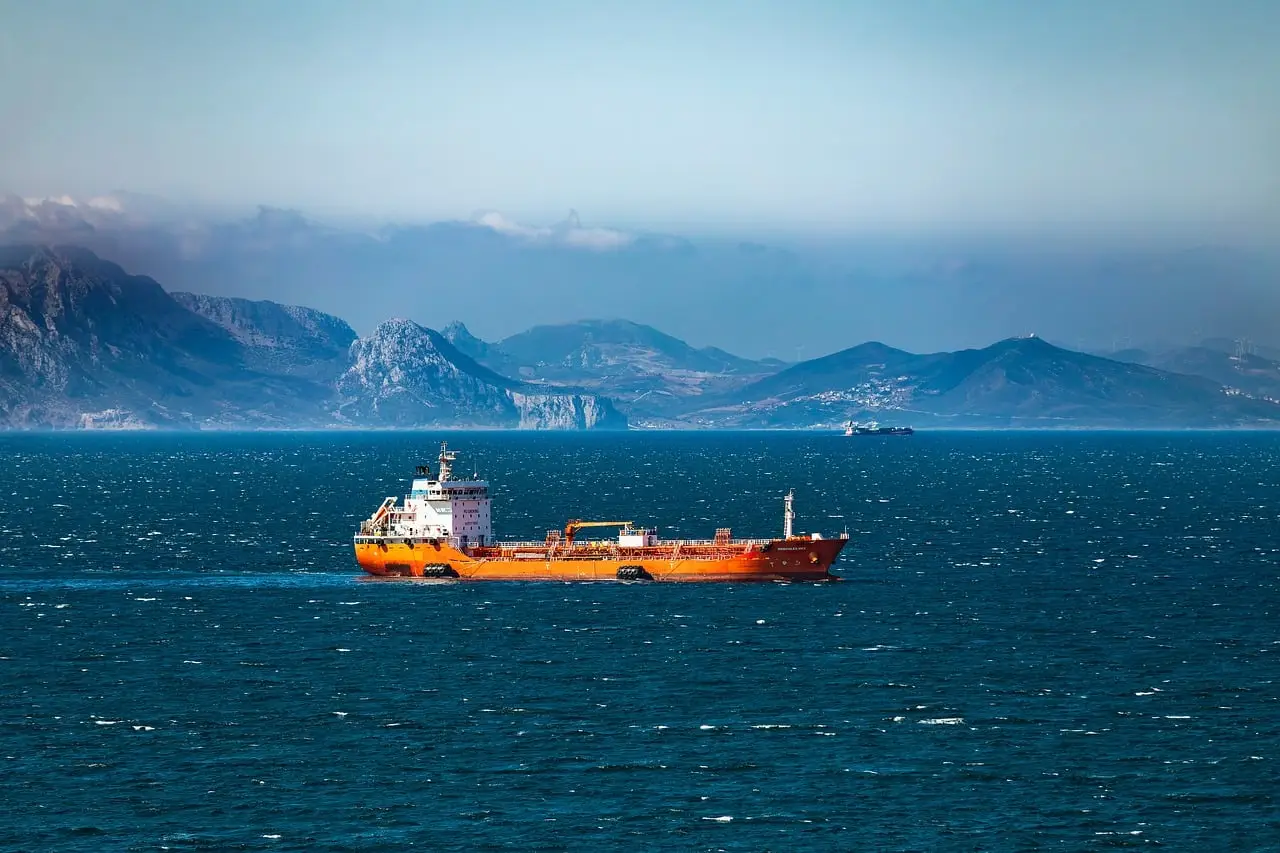
Reuters reported that Brent crude fell $1.65, or 1.7%, to $96.67 a barrel by 08:30 GMT on Monday, 9 November, after US President Donald Trump said renewed attacks on Iran were “highly unlikely” while diplomacy continued.
What changed in the price signal?
West Texas Intermediate (WTI), the US benchmark, fell $0.96, or 1%, to $89.87 in the same Reuters market snapshot.
Brent had already dropped 16% the previous week. That was its sharpest weekly loss since the onset of the COVID-19 pandemic.
His Monday comment followed earlier signals that US strikes could resume after the recent US midterm elections, with the assessment conditional on continued diplomatic efforts.
Reuters did not identify the diplomatic efforts, conditions or timetable. Nor did it report an agreement covering military action.
Takeaway: The price move followed a stated shift in military risk, while operational risks remained unresolved.
Why does Hormuz still matter?
The Strait of Hormuz, a major global oil transit route, remained disrupted. Shipping disruptions continued to affect countries including Iraq. The United States and Iran both reported attacks on shipping in or near the waterway, although Reuters gave no vessel count, cargo volume or estimate of barrels delayed.
Those reports intensified concern over energy supply. Attacks continued to threaten maritime and energy infrastructure.
Iranian officials warned of retaliation against US and Israeli targets if military action escalated. Iran-aligned Houthi forces said on Sunday that they attacked Saudi Aramco offices in Riyadh. The report did not specify damage to production or export infrastructure.
Takeaway: Hormuz traffic remained disrupted despite the softer signal from Washington.
What did the Khor Mor attack halt?
Production at the Khor Mor gas field in Iraq's Kurdistan region halted after a drone struck a liquefied petroleum gas (LPG) storage tank on Sunday. Reuters reported that the fire continued into Monday.
The field supplies power to the broader region. Power generation there fell by around 2.8 gigawatts (GW), according to the report.
Iraqi Prime Minister Ali al-Zaidi said initial assessments showed no casualties.
Dana Gas, the joint field operator, had shut Khor Mor in July because of security concerns. The company resumed production later that month.
The latest strike remained unattributed. No group had claimed responsibility for the drone attack.
The report gave no field output, storage-tank volume, outage duration, casualty breakdown or scheduled restart, leaving the commercial scale and restoration path uncertain for operators and regional power buyers.
Takeaway: Khor Mor stopped producing, regional power fell and no party claimed the strike.
What happened at Kirishi refinery?
The Kirishi oil refinery in Russia was set on fire Monday after a reported Ukrainian drone strike, Governor Alexander Drozdenko said. The claim and initial fire report came through the governor's account.
The report did not name the refinery operator, refining capacity, units affected or expected repair time. It also provided no confirmed estimate of lost barrels or restart date.
The incident adds a reported attack on refining infrastructure to the same market session that included a production halt in Kurdistan and continued shipping disruption around the Strait of Hormuz.
Takeaway: Kirishi was a reported drone attack, but its refining and supply effects were not yet quantified.
What should the market watch next?
The immediate watch list has five items:
- Whether shipping through Hormuz normalizes or further attacks occur.
- A Khor Mor restart date, field output and duration of the 2.8 GW power reduction.
- Attribution for the drone strike and confirmed damage at Khor Mor.
- Whether diplomacy changes Trump's post-midterm position on possible strikes.
- The status of Kirishi's refinery units, operator and repair timeline.
Reuters provided no restart dates, negotiation deadline or barrels-at-risk estimate. It also omitted both Khor Mor's production capacity and Kirishi refinery's processing capacity.
Takeaway: Watch Hormuz vessel traffic, Khor Mor's restart, Kirishi's repairs and any attribution for the latest drone attack.
via reuters.com (Original)
More from Priya Raman
Show full bio
Senior reporter covering technology and product news in Oil and gas industry operations and markets at Rig & Refinery.
594 articles
Adjoining reports
- Brent Slips Below $112 as Hormuz Attacks Fail to Lift Oil Before Midterms
- Brent Slides to $100.60 as Traders Price In a U.S.-Iran Deal
- Brent Back Above $96 as Gulf Shipping Incidents Offset Midterm Selloff
- Brent set for 16% weekly decline as Iran diplomacy lifts hopes
- Brent Slips to $115/bbl on Iran Diplomacy; TTF Hits 22-Month High