Well report · filed November 24, 2026
Petroleum MarketsWell report
Hormuz Traffic Falls 40% as Mine Strikes Hit 25 Tankers in a Week
Hormuz transits fell more than 40% in November as mines struck over 25 tankers in a week. Brent sits at $88.35 after topping $120. Tehran demands sanctions relief to reopen the chokepoint.
Field notes
- Hormuz transits fell more than 40% in November, from 226 vessels in the first week to 125 in the week of November 17-23.
- More than 25 tankers were hit in the past week, many by naval mines.
- Brent crude futures traded at $88.35 per barrel after earlier exceeding $120.
- AIS tracked 28 crossings in the past 24 hours carrying an estimated 4.18 million barrels, versus a pre-war 125-140 ships daily.
- Iran conditions reopening the strait on halting hostilities, lifting the blockade and waiving sanctions.
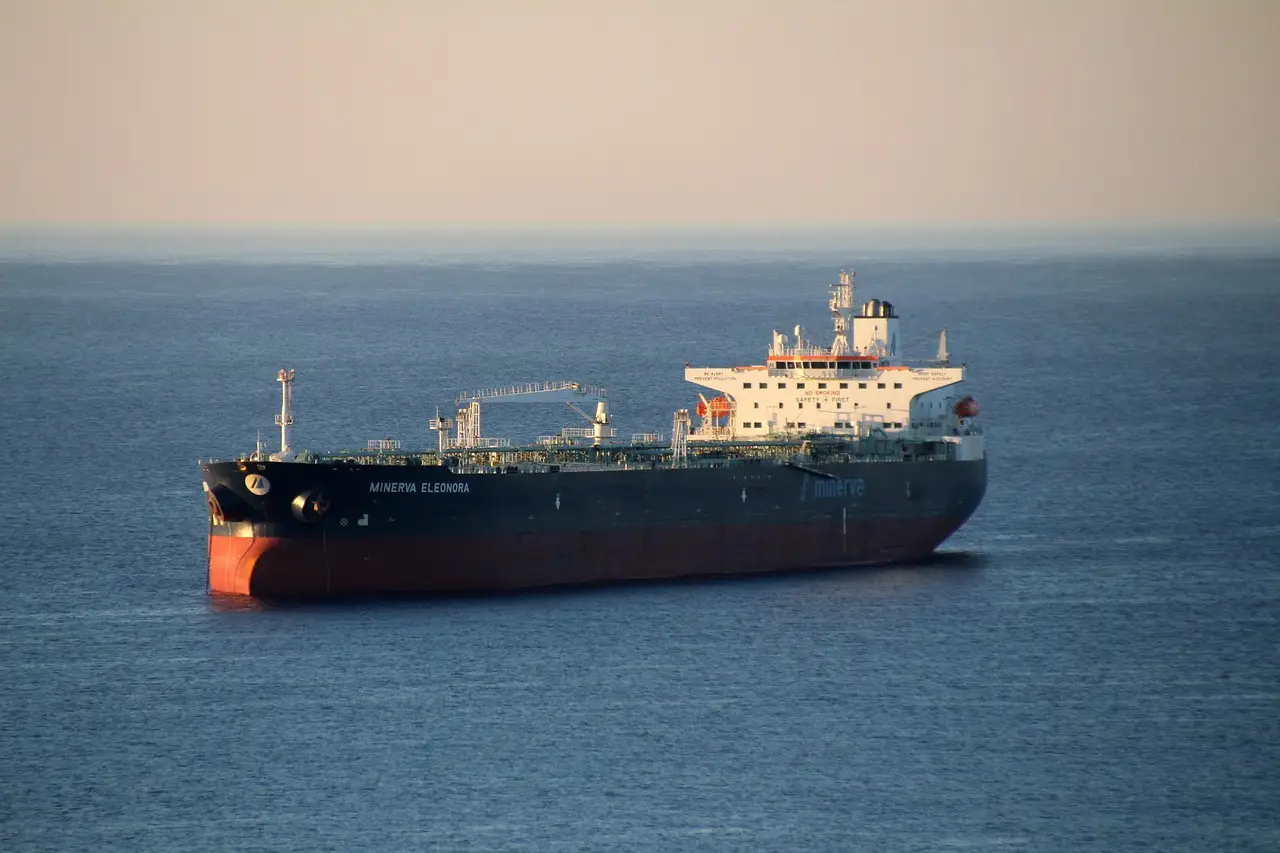
Vessel transits through the Strait of Hormuz fell more than 40 percent in November as mine strikes damaged at least 25 tankers in a single week. Marine Traffic ship-tracking data shows 226 vessels entered or exited the Gulf between November 1 and 7. Only 125 crossed between November 17 and 23. That is the sharpest monthly contraction of the war at the world's most important oil chokepoint, and it comes as Brent crude futures trade at $88.35 per barrel, down from a peak above $120.
The tanker strikes are the mechanism. Iran has stepped up attacks on vessels attempting the passage, and a rising number of tankers have erupted in flames after hitting naval mines. More than 25 tankers have been hit in the past week alone.
What is Tehran's declared position?
Foreign Ministry spokesperson Esmaeil Baghaei said on Monday that Iran would "definitely not tolerate" the US naval blockade and would use "all our tools to confront this US aggression." He said: "Iran has the right to use any available tool to defend itself in this regard."
The blockade, first imposed in April, has largely halted Iranian oil exports. It was lifted after the June memorandum of understanding, then reinstated weeks later when the agreement collapsed.
Iranian commanders have escalated the rhetoric in parallel. Army commander Amir Hatami, speaking on Tuesday to senior commanders at the Command and Staff University, called for tightening the closure. Iranian television quoted him saying: "We must tighten our control over the Strait of Hormuz, our management of it must be stronger, and conditions must become more difficult for the enemy."
IRGC navy chief Ali Ozmaei warned vessels against unapproved routes. "The Strait of Hormuz is not a place to test unauthorised routes and ignore maritime warnings," he said, according to the ISNA news agency.
How are the attacks unfolding?
Mines are the primary weapon. On Tuesday morning, Iran's navy said two oil tankers had struck mines and caught fire in the waterway, in a statement reported by the Tasnim news agency. According to the statement, both vessels had entered a restricted zone east of the strait after switching off their navigation and identification systems.
That detail matters for understanding the traffic data. Masters are transiting without seeking Iran's approval, often in darkness and with AIS transponders (the automatic identification system that broadcasts a ship's position) switched off to avoid detection.
The clandestine tactic carries its own risks. Dark transits push vessels into restricted zones and minefields, and they degrade the accuracy of any transit count. AIS-based tracking captures only ships broadcasting a signal, so the no-signal bypass routes leave a data gap that makes precise volumes impossible to verify.
The Iranian navy statement reiterated that the strait will not reopen until Iran's objectives are met: halting hostilities, lifting the blockade and waiving sanctions. It added that "owners of oil tankers are required to coordinate with the armed forces to ensure safe passage through this strategic strait."
Is the closure strategy moving prices?
The traffic numbers say the squeeze is working on volumes. The price signal is more ambiguous. Brent crude futures stood at $88.35 per barrel as supplies recover, after trading above $120 per barrel earlier in the conflict. Analysts read the falling price as evidence that alternative flows and stock draws are absorbing part of the Hormuz loss.
AIS tracking counted 28 crossings in the past 24 hours: 12 into the Gulf and 16 out, carrying an estimated 4.18 million barrels of oil. Pre-war traffic ran at 125 to 140 ships per day. Even allowing for untracked dark transits, the decline is steep.
The November daily figures trace the tightening curve:
- 29 vessels exiting the Gulf on November 1, the month's outbound peak
- 7 November, the peak day for inbound traffic
- 17 to 23 November: 125 total crossings, down more than 40 percent from the first week's 226
- Sunday: one vessel outbound and two inbound, the month's lowest figures
The one-sentence takeaway: volumes are collapsing on the days that matter, and single-digit traffic days now occur at the chokepoint that historically moved a fifth of global seaborne crude.
What is happening beyond the waterway?
Iran has also attacked US bases in the Gulf over the past week, targeting radars. President Donald Trump said on Truth Social on Sunday that Iran had launched "more drones and missiles in the last week than at any time for over a year," adding that all had been downed with no damage.
US Central Command issued an advisory last week stating that ships receiving cargo from vessels loaded at Iranian ports or along the country's coastline could be considered to be "evading the blockade." The advisory noted that some Iranian petroleum products had reached international markets through such transfers. Iran has repeatedly warned against US efforts to hamper its trade.
The disruption to oil flows has triggered a global energy crisis, with the blockade squeezing an Iranian economy already under US-led sanctions. The combination, not the blockade alone, explains the escalation in mine warfare.
What to watch next
Three indicators will define the coming weeks. First, the daily transit count from Marine Traffic and AIS, which will show whether the sub-100-per-week run rate holds. Second, the Iranian navy's enforcement of its coordination requirement, which effectively offers a controlled passage regime for owners willing to accept it. Third, any CENTCOM response to the radar attacks and the escalation in drone and missile launches.
The watch item is the reopening condition set by Tehran: a halt to hostilities, lifting of the blockade and waiver of sanctions. Until one of those terms moves, Hormuz throughput stays hostage, and 4.18 million barrels per day of tracked transits remains the ceiling, not the floor.
via aljazeera.com (Source)
More from Olivia Hart
Show full bio
Correspondent covering technology and product news in Oil and gas industry operations and markets at Rig & Refinery.
633 articles
Adjoining reports
- Six Tankers Struck by Mines in Hormuz; Brent Holds Mid-90s as Q4 Surplus Caps Rally
- Hormuz Flows Rebound to 11.7 Million Bpd, Yet Tanker Strikes Keep Prices Bid
- 1.7 Billion Barrels Shipped as US Blockade Halts Iran Crude Loadings
- Iran keeps Strait of Hormuz shut pending seven US conditions
- Hormuz conflict has killed 25 seafarers, IMO records show