Well report No. RR-1532 · T2N · R7W · SEC 26 · filed November 9, 2026
Petroleum MarketsWell report
Aramco Tower damaged in Riyadh attack; no injuries reported
Saudi Arabia reported limited damage and no casualties at Aramco's Riyadh tower, while the coalition said it intercepted Houthi missiles in the capital and Eastern Province.
Field notes
- On Sunday, the Saudi energy ministry reported limited damage and no casualties at Aramco's Riyadh tower.
- The coalition said it intercepted Houthi missiles over Riyadh early Sunday and another in the Eastern Province.
- An October strike on Riyadh's international airport killed 13 people and wounded more than 300.
- Yemen's Houthi-run health ministry said Saudi airstrikes near Sanaa killed at least 40 people; Saudi authorities said they were investigating.
- The Houthis advanced toward Bab el-Mandeb in September; officials from Riyadh, Ankara and Islamabad met Iranian counterparts in Tehran last month.
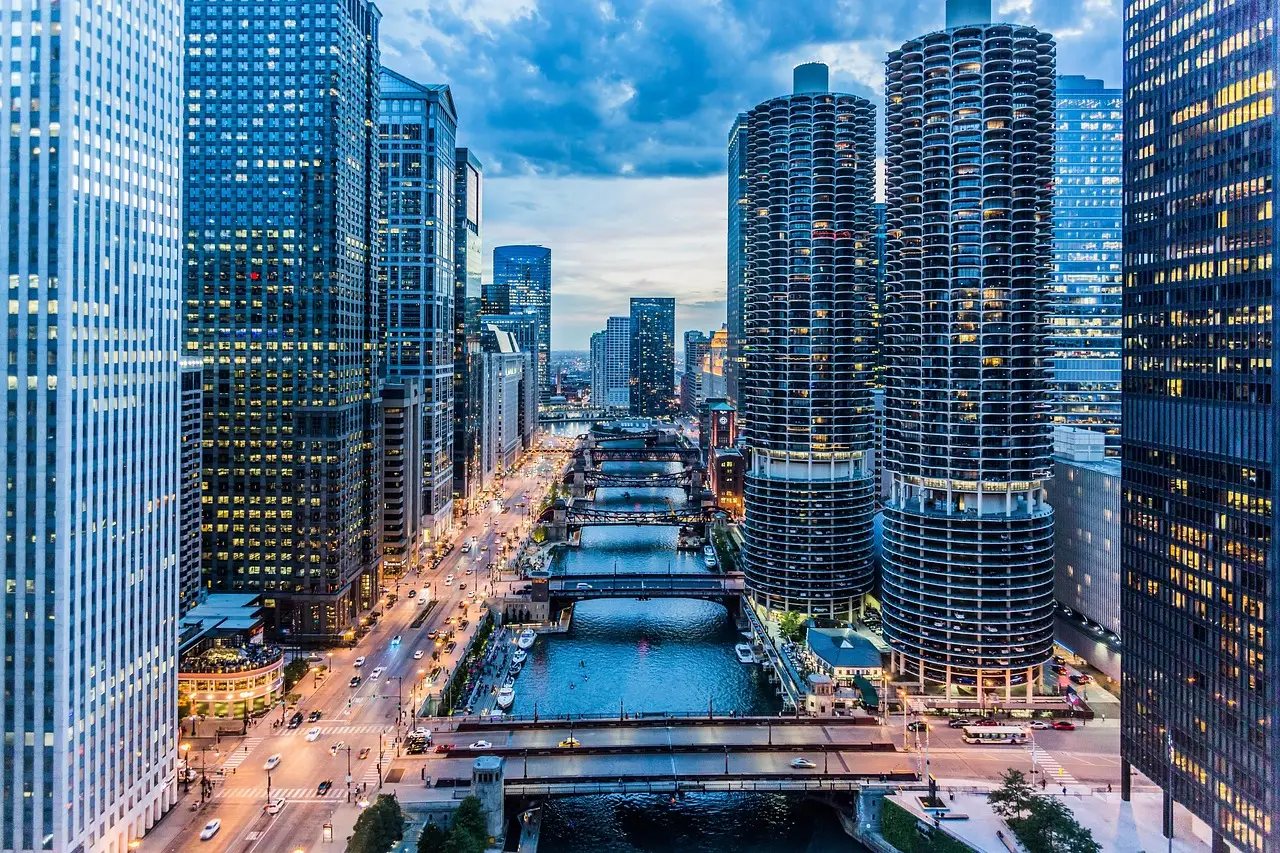
Aramco Tower in the Saudi capital’s financial district lost windows across several floors on Sunday. The Saudi energy ministry reported limited damage, with no injuries or fatalities.
The ministry said the debris came from an attempt to attack the building and did not assign responsibility. A Saudi-led coalition backing Yemen’s internationally recognized government said Saudi air defenses had intercepted Houthi missiles over Riyadh in the early hours. The Iran-aligned Houthis in Yemen claimed responsibility for the attack.
The escalation has made the kingdom’s fight with the Houthis another front in the wider U.S.-Israeli war with Iran.
The immediate outcome was interception and building damage, with no reported casualties.
Why does the Eastern Province matter?
The Houthis have ramped up strikes on Aramco 2223.SE facilities in recent weeks, including the oil company’s headquarters in Dhahran in the Eastern Province. On Sunday, the Saudi-led coalition said air defenses had also intercepted a Houthi missile in that province.
Saudi Arabia, the world’s largest crude exporter, places most of its oil and gas reserves in the Eastern Province. Neither the energy ministry nor the coalition described a change to Aramco production or exports.
In two separate statements, the coalition said it had also destroyed ballistic missile launchers in Saada and Sanaa that the Houthis used in Sunday’s attacks on Riyadh and the Eastern Province.
The Eastern Province remains the higher-consequence target because of its reserve base.
Why is Bab el-Mandeb part of this story?
The renewed fighting intensified after the Houthis advanced in September toward the Bab el-Mandeb Strait, a strategic shipping chokepoint on the other side of the Arabian Peninsula from the Strait of Hormuz. The group then stepped up missile and drone attacks on Saudi ports and airports, including Riyadh’s international airport.
Yahya Saree, the group’s military spokesperson, said the airport “was targeted in Sunday’s attacks.” Saudi authorities had not confirmed that claim. An October strike on the airport killed 13 people and wounded more than 300.
The airport has become a recurring target, although Sunday’s claim remains unconfirmed.
What has changed inside Saudi Arabia?
Many schools in the kingdom resumed in-person classes on Sunday after weeks of home learning. Several Saudi government agencies also returned to office work suspended after earlier Houthi attacks.
The return shows that authorities have resumed public services while keeping air defenses active against further strikes.
Classroom and office schedules have resumed even as the missile campaign continues.
How is Saudi Arabia responding?
Saudi Arabia has responded to the attacks with air strikes against Houthi targets in Yemen. The latest escalation came a day after Yemen’s Houthi-run health ministry reported that “at least 40 people were killed in the attacks” near Sanaa. Saudi authorities said they were investigating.
The kingdom, a key U.S. ally, has also requested assistance from the United States and a number of countries in Europe and the Middle East, seeking both defensive and offensive support against the Yemeni group.
Britain said in October that it would fly fighter jets on defensive missions to help protect Saudi cities from Houthi aerial attacks.
Riyadh is pairing direct strikes with requests for more defensive air support from allies.
Can diplomacy slow the attacks?
Saudi Arabia has pursued a diplomatic route as well. Top officials from Riyadh, Ankara and Islamabad — the Mecca defence pact countries — met with Iranian officials in Tehran last month. Tehran later said talks with Riyadh were continuing to seek new regional security arrangements that would exclude foreign military involvement.
The talks are running alongside the military campaign, not replacing it. No settlement or timetable emerged in the report.
The diplomatic channel remains open, but no final security arrangement has been described.
The watch item is whether Saudi air defenses intercept the next missile and whether the investigation into the Sanaa deaths changes the tempo of retaliation.
via aogdigital.com (Source)
More from Elena Vasquez
Show full bio
News editor covering technology and product news in Oil and gas industry operations and markets at Rig & Refinery.
561 articles
Adjoining reports
- Fire Reported Near Aramco Riyadh Site as Saudi-Houthi Fighting Escalates
- Houthis strike Saudi refinery hours after kingdom signs defence pact
- Riyadh Intercepts Two Missiles as Houthis Hit East-West Pipeline Again
- Houthi Advances, Saudi Pipeline Attack Compound Pressure on Oil Markets
- Brent Above $117 as Saudi Attacks Put Supply Back in Focus