Well report No. RR-7787 · T19N · R29W · SEC 7 · filed November 18, 2026
Petroleum MarketsWell report
Hormuz stand-off puts a floor under Brent, now $92 and 30% above pre-war
Brent sits at $92/bbl, 30% above pre-war, as the US and Iran trade limited strikes around Hormuz; analysts say a frozen conflict could put a floor under oil prices.
Field notes
- Brent crude trades at $92/bbl, up ~30% from the pre-war $72 and off a late-October peak of $117.
- US diesel averaged over $5.93/gal on Nov 17, 2026, vs $3.72 in February before the war.
- A June US-Iran Memorandum of Understanding collapsed in July; both sides maintain blockades around Hormuz.
- Over 70% of Americans want the conflict ended, per a Reuters/Ipsos poll on November 9.
- US petrol averages $3.80/gal vs a pre-war $2.98, according to AAA.
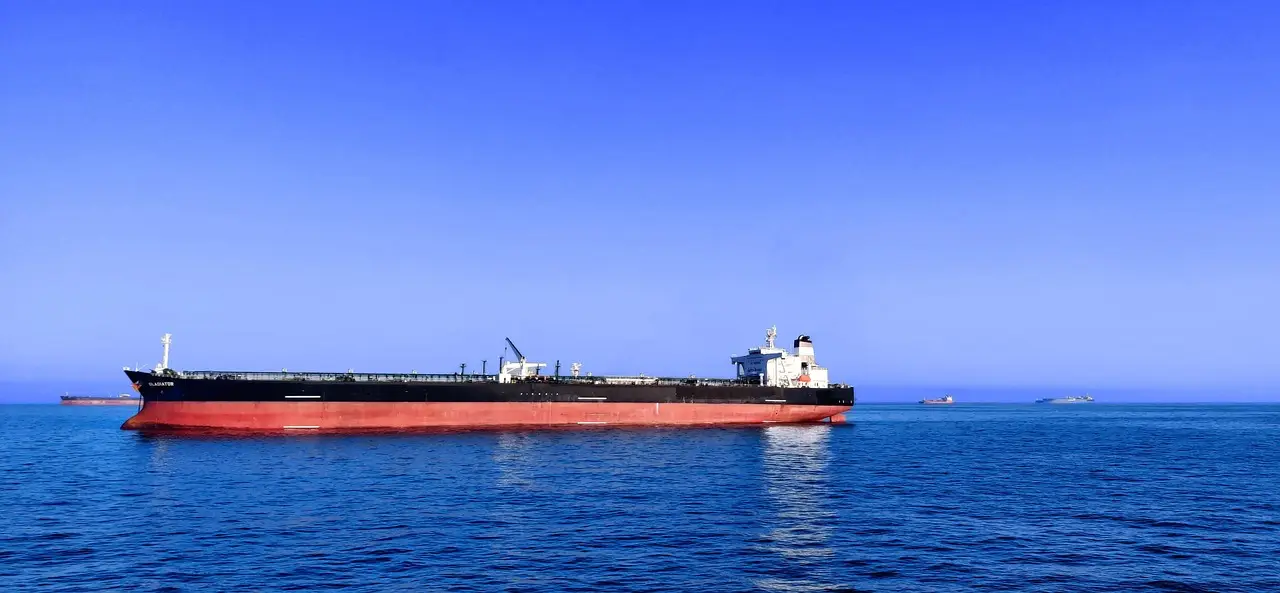
Brent crude at $92 per barrel — roughly 30 percent above its pre-war level — is the working price of the US-Iran stand-off around the Strait of Hormuz, the chokepoint that once carried one-fifth of the world's oil and natural gas supplies. Both sides have stopped short of full military confrontation since a June Memorandum of Understanding collapsed in July. What they have not stopped is the intermittent exchange of attacks and the economic levers each side keeps pulling.
By Priya Raman
The pattern is now what analysts call limited confrontation: attacks traded, blockades maintained, costs absorbed. Iran says it has targeted US military sites in Bahrain and Kuwait in recent days. The US carried out an air strike on Iran's Qeshm island on Tuesday. Iran continues to target vessels it says violate its rules for transiting Hormuz. The US stands firm on sanctions and a naval blockade of Iran's ports. Neither side has committed to war or to peace. Takeaway: the market is pricing a conflict with no end date.
What does the 'frozen war' mean for oil prices?
The price record tells the story. Brent hit $117 per barrel in late October, its highest since April, when it reached a four-year high. Before the war, it traded near $72. It has since eased to $92 as vessels brave Hormuz despite an uptick in attacks — still a 30 percent premium to pre-war levels.
US retail fuel has followed. Petrol averages $3.80 per gallon, the lowest since March but far above the pre-war $2.98 average, according to the American Automobile Association. Diesel stood at just over $5.93 per gallon as of November 17, 2026, per the US Energy Information Administration, against $3.72 in February — a rise that has hit farmers and truckers, many of them core Trump supporters.
Ron Bousso, a Reuters columnist covering global energy markets, estimates a drawn-out, low-grade conflict could "put a floor under oil prices" and keep Gulf exporters contending with massive freight and insurance costs. His warning, written last week, deserves quoting in full: "The danger is not simply another dramatic surge in oil prices caused by renewed war. It is that the Middle East settles into something more durable and more insidious: a conflict intense enough to keep shipping dangerous, insurance expensive and energy infrastructure vulnerable, but contained enough for the world to learn to live with it."
That is attributed analysis, not market consensus. But freight and insurance costs are real and recurring. Takeaway: the bear case for crude now rests on a risk premium that refuses to clear.
Can Iran absorb the economic pressure?
The squeeze on Tehran is severe. Washington has layered on sanctions week after week, targeting not only Iranian entities but third parties it says trade with Iran. The naval blockade has made oil exports increasingly difficult. Revenues are falling.
Mohammad Farzanegan, professor of Middle East economics at the Center for Near and Middle Eastern Studies, told Al Jazeera that Tehran now prioritizes "short-term survival" over sustainable investment while the economy shrinks under one of the world's highest inflation rates. Falling oil revenues, he said, "have introduced significant pressure on the government budget, increasing the need to raise taxes, reduce subsidies, especially on energy products, and plan painful economic reforms."
"All these developments have amplified the feeling of deprivation among the population, especially the youth," Farzanegan added.
Rouzbeh Parsi, an Iran analyst at Lund University, put it bluntly: "Iran's population is suffering tremendously. They bear the brunt of this economic war." The regime's survival question, in his framing, is whether it "can hold until Trump leaves office." Note what is missing: no figure for current Iranian export volumes, no timeline. The picture is directional, not quantified. Takeaway: Iran is funding a stalemate with its own budget.
Will either side deliberately escalate?
Politics cuts both ways. Trump declared last week that the war was "effectively over" militarily, while warning he "would not hesitate" to resume strikes if diplomacy failed. Secretary of State Marco Rubio framed the strategy as economic, not military: "We don't need to conduct military strikes if we're achieving the same objective through economic means and economic pressure. The economic pressure on Iran is going to get even worse."
That pitch follows the Republicans' crushing midterm defeat, which Trump and Vice President JD Vance acknowledged the unpopular war partly caused. More than 70 percent of Americans want the conflict ended, per a Reuters/Ipsos poll on November 9.
Tehran, though, rejects the limbo. Supreme Leader Mojtaba Khamenei has told officials to end the state of "neither war nor peace." Parliament speaker and top negotiator Mohammad Bagher Ghalibaf told parliament on Sunday: "We will not remain in a state of 'neither war nor peace.' It makes absolutely no difference to us whether the United States wants negotiations or war."
Hamidreza Azizi, senior Iran analyst at the International Crisis Group, stress-tested the equilibrium: "The two sides have very different calculations about the costs of prolonging the confrontation. As economic pressure mounts, Iran may become increasingly willing to take military risks to break the deadlock." Tehran, he said, "may eventually conclude that deliberately escalating the confrontation is preferable to allowing its economic and strategic position to deteriorate further." He also flagged domestic unrest risk, and Farzanegan warned that any new major shock "could ignite a new round of violent protests."
Parsi argues Trump's midterms loss removed the last restraint on full-scale war. If he believes another attack "will spell the end of the Islamic republic, or simply wants revenge, this 'not-peace' could easily become a full war."
Takeaway: the watch item is Hormuz transit insurance pricing — the first market signal that the 'frozen war' is thawing in either direction.
via aljazeera.com (Source)
More from Priya Raman
Show full bio
Senior reporter covering technology and product news in Oil and gas industry operations and markets at Rig & Refinery.
645 articles
Adjoining reports
- Brent Slides Toward Second Weekly Loss as Iran Escalation Premium Unwinds
- Brent Slides Toward $92 as Iran Risk Premium Deflates
- Brent Slips Below $112 as Hormuz Attacks Fail to Lift Oil Before Midterms
- Brent Slides to $100.60 as Traders Price In a U.S.-Iran Deal
- Brent Slips to $115/bbl on Iran Diplomacy; TTF Hits 22-Month High