Well report · filed November 23, 2026
Petroleum MarketsWell report
WTI falls 20% in three weeks as Iran war premium unwinds
WTI lost 20% over three November weeks as inventories rose, Gulf exports recovered and the Iran war premium faded, while OPEC+ output plans and Hormuz attacks remained key risks.
Field notes
- WTI fell 20% across the three weeks ending Nov. 20 after closing above $104/bbl at October month-end.
- CME's WTI CVOL fell from 68.16 on Nov. 2 to 49.62 on Nov. 16, then recovered to about 55.
- The IEA reported October global supply gains of 2.3 million b/d after 3 million b/d in September; 2026 demand was forecast to fall 2.7 million b/d.
- U.S. commercial crude stocks added 3.4 million barrels in the week to Nov. 13, against a 400,000-barrel forecast.
- Saudi Arabia's East-West pipeline carries about 4 million b/d, roughly 4% of global supply, and faces Houthi attack risk.
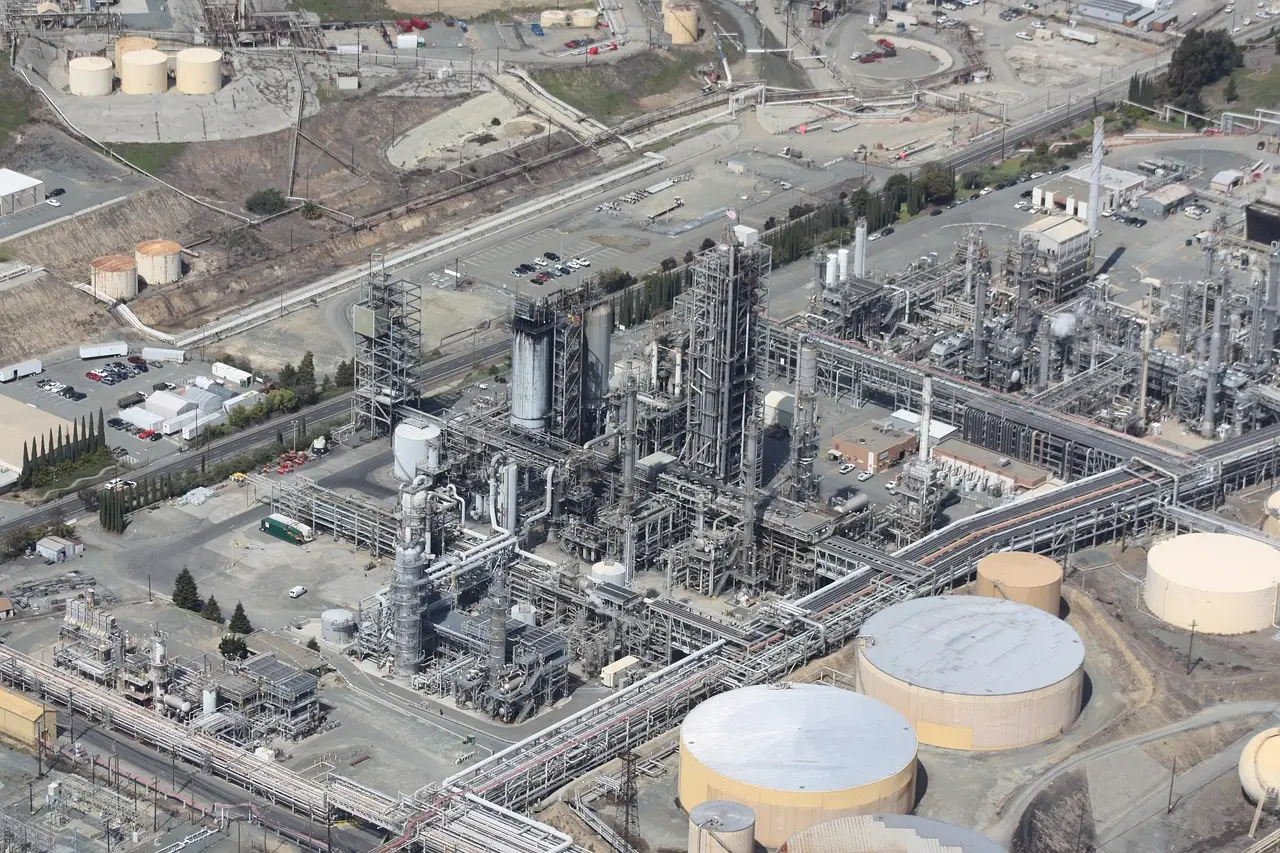
WTI fell 20% over the three weeks ending Nov. 20 as traders unwound much of the risk premium built around the Iran conflict and constrained Gulf shipping.
The TradingView analysis dates the U.S. and Israel war against Iran to Feb. 28. From then, the market’s central question was whether Gulf barrels could reach world markets through the Strait of Hormuz. Attacks, diplomatic developments and ceasefire efforts repeatedly reset supply expectations and kept prices volatile through the year.
How did WTI lose its $104 anchor?
The conflict intensified on two fronts in October. Iran attacked at least nine vessels near Hormuz in one week, while Houthi forces launched missiles and drones at Saudi targets. WTI gained 7.8% in the week ending Oct. 16, extended the rally through the month and closed above $104/bbl at month-end.
- Week ending Nov. 6: WTI fell 12.8%, its steepest weekly decline since the pandemic. U.S. midterm election results raised hopes of de-escalation, prompting markets to unwind part of the war premium.
- Week ending Nov. 13: WTI declined another 2.5%. Expectations of further military escalation eased as Washington maintained its economic blockade of Iran rather than pursuing renewed large-scale attacks. Tanker attacks and uncertainty over negotiations limited the decline.
- Week ending Nov. 20: WTI fell a further 5.2%. Rising U.S. crude inventories and stronger Middle Eastern exports added to concerns about an emerging supply surplus as regional shipments recovered toward pre-war levels.
Across the three weeks, WTI fell 20%. The route was not smooth: prices covered a $19 range during the first week alone, reflecting rapid changes in expectations about Iran and Hormuz.
Takeaway: The analysis shows a rapid repricing of war risk, not the end of physical disruption around Gulf shipping.
What is pressing on WTI now?
Middle Eastern oil exports have recovered, with Saudi Arabia using alternative routes to bypass Hormuz, although shipping through the strait remains disrupted. Iran-U.S. negotiations continue, and the threat of further escalation remains.
The market analysis’s summary is blunt: “Most factors are now weighing on oil prices.”
The IEA reported that global oil supply rose 2.3 million barrels per day in October after a 3 million-barrel increase in September. It expects 2026 demand to fall 2.7 million barrels per day as high prices weigh on consumption, and it sees supply exceeding demand in Q4 “for the first time since the war began,” with a larger surplus expected in 2027.
EIA weekly data showed commercial crude stocks rising 3.4 million barrels in the week to Nov. 13, against an expected 400,000-barrel build. Gasoline stocks rose 5.2 million barrels, above the analyst estimate of a 1.7 million-barrel build.
Takeaway: The agency’s balance points to more supply meeting weaker demand, supplying the bearish case in the analysis.
Which risks could stop the slide?
Houthi attacks on Saudi Arabia’s East-West pipeline threaten a route carrying about 4 million barrels per day, roughly 4% of global supply. Reports that Washington was considering further strikes on Iran also kept geopolitical risk elevated.
U.S. crude exports rebounded to 4.488 million barrels per day in the week to Nov. 13, helping move domestic barrels into international markets. Cushing, Oklahoma, where WTI futures are delivered, saw stocks fall 1.2 million barrels, providing some support to the benchmark.
CME’s WTI volatility index fell from 68.16 on Nov. 2 to 49.62 on Nov. 16, then recovered to around 55 despite subdued prices. The analysis reads that pattern as immediate panic subsiding while the market remains vulnerable to sharp moves in either direction.
OPEC+’s Nov. 29 meeting will offer clues on how quickly members plan to restore output as regional supply recovers.
Takeaway: The downside case still depends on no fresh shock to Saudi or Iranian supply.
What is the futures curve saying?
Throughout the war, near-month WTI contracts traded at a premium to later deliveries as buyers paid more for immediate supply. That premium has narrowed since mid-September.
On Nov. 20, the December-January spread closed at $0.57/bbl, down from $0.77 the previous day. The futures analysis says the change suggests immediate supply concerns are easing. If inventories continue building and exports recover, the premium could narrow further and signal a looser near-term market.
Takeaway: In the source’s reading, the curve is moving from a scarcity signal toward a more balanced prompt market.
What does 2022 show about further downside?
Russia’s invasion of Ukraine pushed WTI above $120/bbl twice, in March and June. By late July, prices had fallen more than 20% as concerns over lost Russian supply eased and recession fears grew.
The sell-off continued on weaker fuel demand, fears of a global recession and expectations of additional Iranian supply. The Biden administration also released crude from the Strategic Petroleum Reserve, adding available supply. By Aug. 16, WTI had settled at $86.53/bbl, its lowest level since January 2022.
The analysis draws parallels with the current market: Gulf supply is recovering, the IEA expects a growing surplus, U.S. inventories are building and the SPR is releasing additional barrels. It also notes that renewed attacks on Saudi infrastructure or a breakdown in Iran negotiations could quickly restore a geopolitical premium.
The sponsored historical case study tracked a short in the September 2022 CME Micro WTI contract, entered July 20 and closed Aug. 16:
- Entry: $100.5/bbl
- Exit: $87.5/bbl
- Profit and loss: 100 × ($100.5 − $87.5) = $1,300
- Return: 12.9%
The source labels the case study educational and says it does not constitute an investment recommendation or advice.
Takeaway: OPEC+’s Nov. 29 output decision is the next test; a measured return of barrels would reinforce the bearish case, while renewed tanker attacks, pipeline damage or a breakdown in Iran-U.S. talks would restore the premium.
via tradingview.com (Source)
More from Elena Vasquez
Show full bio
News editor covering technology and product news in Oil and gas industry operations and markets at Rig & Refinery.
629 articles
Adjoining reports
- Brent Slides Toward $92 as Iran Risk Premium Deflates
- Brent Slips Below $112 as Hormuz Attacks Fail to Lift Oil Before Midterms
- WTI Whipsaws Between $88.67 and $96.78 on Hormuz Reopening Signals
- Oil falls as Iran strike odds ease amid persistent infrastructure risk
- Brent Back Above $96 as Gulf Shipping Incidents Offset Midterm Selloff